Sustainability in apparel is no longer a niche concern. Brands, teams, and retailers are all being asked where their garments come from, how they are made, and what happens to them at the end of their life. At the same time, buyers still need custom designs, reliable quality, and delivery they can plan around. The good news is that sustainable and custom manufacturing are not opposites: with the right choices, they work together.
This guide looks at the practical side of sustainable custom apparel: the fabric choices available, how minimum order quantities affect waste, how customization works, and how worldwide shipping fits into a responsible supply chain.
Sustainable fabric options, explained plainly
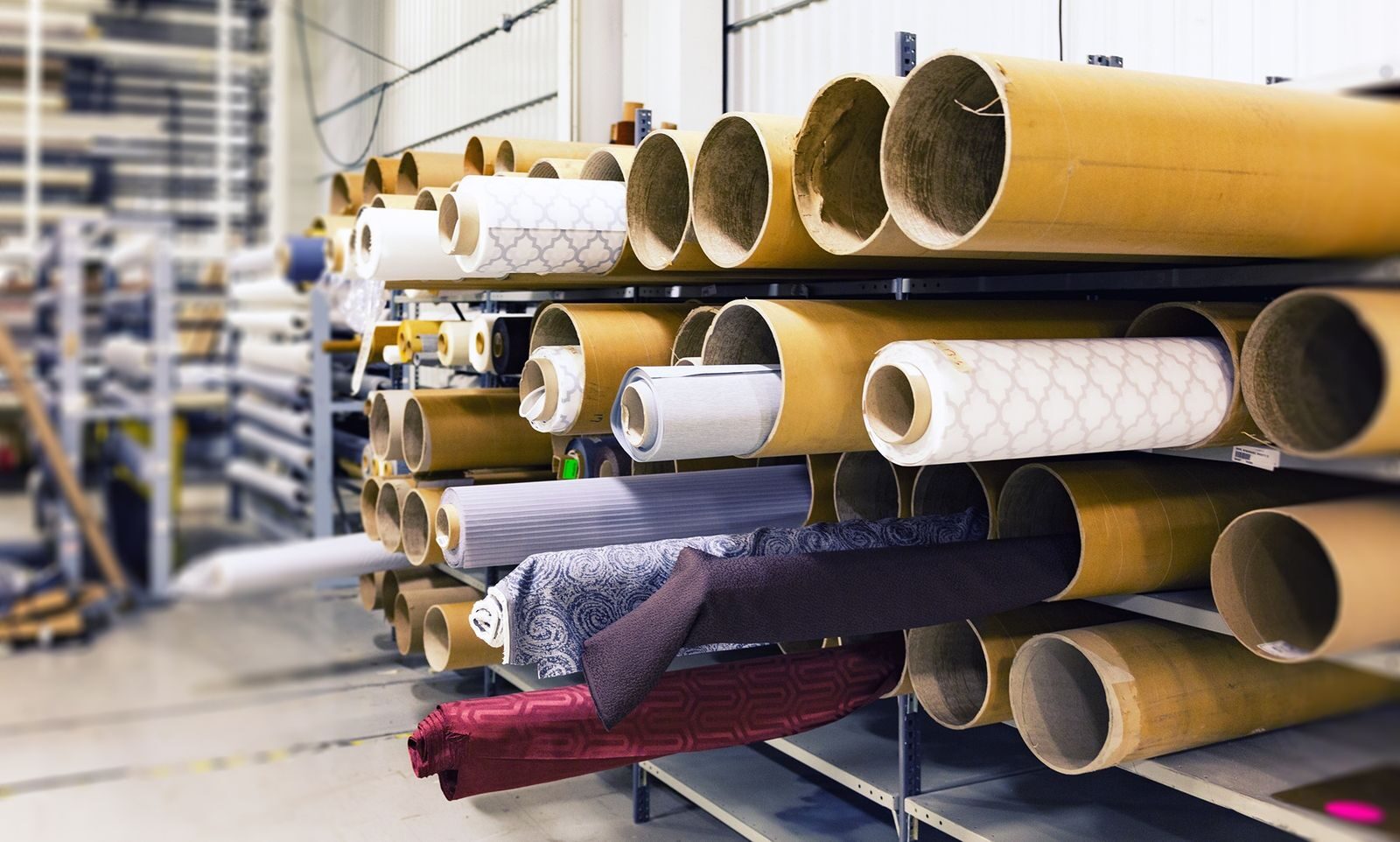
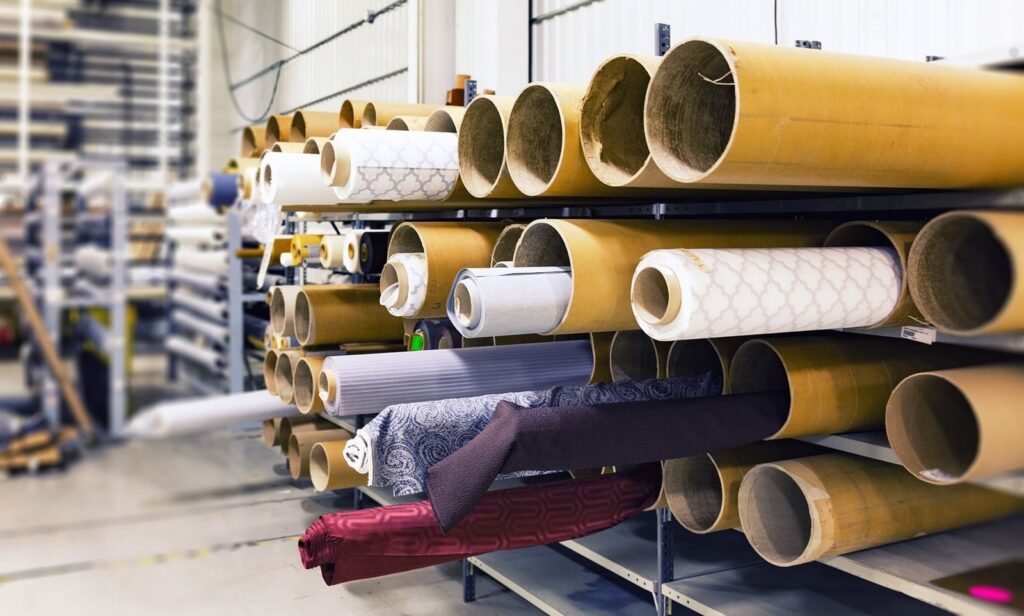
Fabric is where sustainability starts, because it determines how a garment is grown or made, how it performs, and how long it lasts. Organic cotton is grown without the synthetic pesticides and fertilisers used in conventional cotton farming, and it keeps the comfort and breathability buyers expect from cotton garments. Recycled polyester gives a second life to plastic materials, and it performs well for sports and active wear, where moisture management and durability matter.
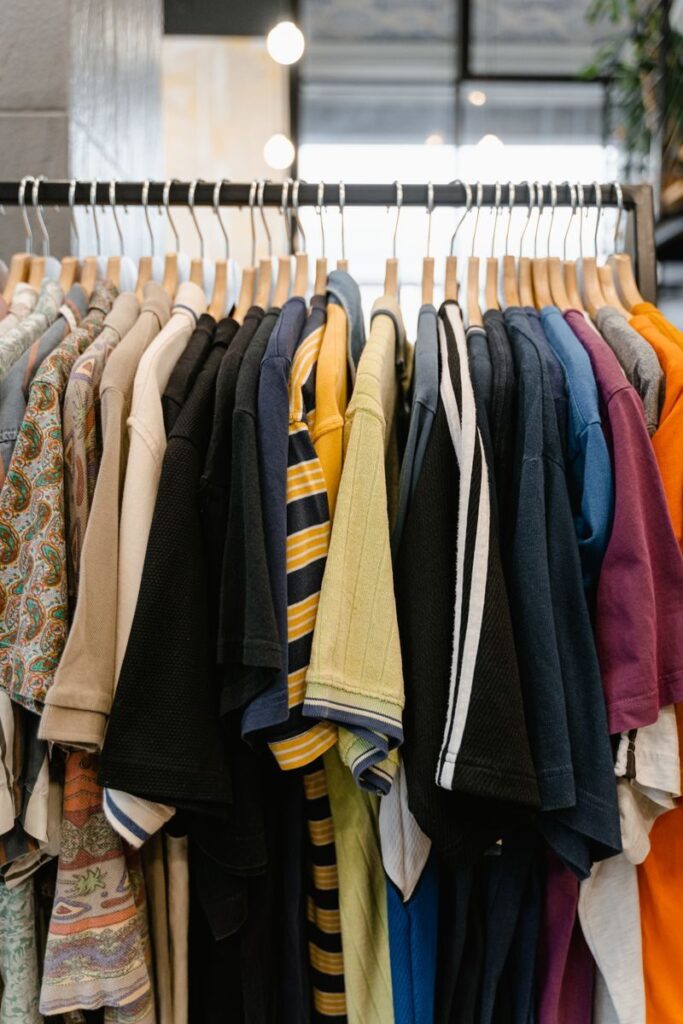
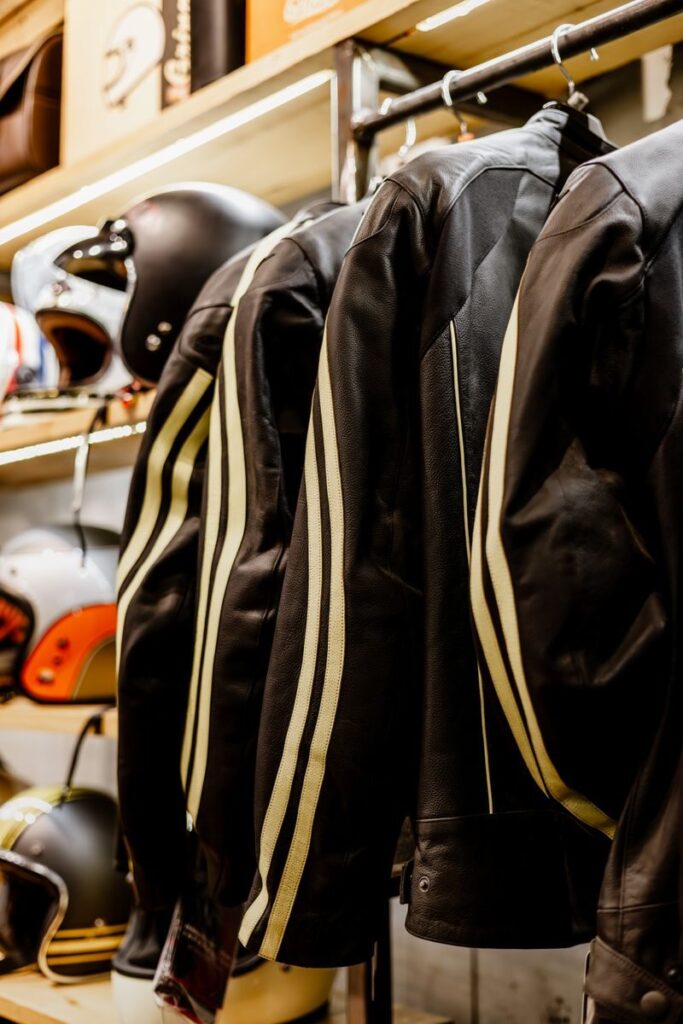
Other options include bamboo-derived fabrics, which are soft and breathable, and blends that combine natural and recycled fibres for a balance of comfort and strength. No single fabric is right for every product. A heavyweight hoodie, a lightweight training shirt, and a durable moto jacket each need different properties, so ask your manufacturer which sustainable options suit your specific garment, rather than choosing a fabric on its name alone.
Why low MOQs help sustainability
One of the largest sources of waste in apparel is overproduction: garments made in large quantities that never sell and end up discounted, stored, or discarded. Low minimum order quantities help avoid that problem. A brand can order what it actually needs, test a design with real customers, and reorder only when demand is proven.
Made-to-order and small-batch production also reduce the risk of holding dead stock in sizes that do not sell. For emerging brands, this is both a financial and an environmental advantage: less capital tied up in unsold inventory, and fewer garments produced without a buyer.
Customization without excess waste
Customization and sustainability work best when the design process is disciplined. A clear brief, a 3D mockup, and an approved physical sample mean fewer rejected batches and less material wasted on rework. Digital printing and embroidery also allow precise, small-run branding without the setup waste of large-scale print runs.
- Approve colours, fabrics, and branding on a sample before bulk production.
- Order in quantities matched to real demand, and reorder proven styles.
- Choose durable fabrics and construction, so garments last longer and are replaced less often.
- Keep artwork, sizing, and fabric records on file, so reorders match without new sampling waste.
Worldwide shipping, planned responsibly
OXSKELETON ships worldwide to Europe, the USA, the Middle East, and Asia, and shipping is part of any honest sustainability discussion. Consolidating an order into well-packed shipments, rather than sending many small parcels, reduces packaging and transport per garment. Clear packing, correct labelling, and realistic delivery timelines also reduce the returns and reshipments that add unnecessary freight.
When you plan an order, agree the shipping method and timeline in advance, and allow enough lead time for production and transit. A rushed order that has to be split into several urgent shipments costs more and carries a larger footprint than a single, well-planned delivery.
Sustainable manufacturing is ultimately about making good decisions at each step: a fabric that suits the garment, an order size that matches demand, a sample approved before production, and a shipment planned rather than rushed. If you want to build a custom apparel range with sustainable fabric options, low minimum orders, and worldwide delivery, contact OXSKELETON through the contact page to discuss your product, fabrics, and quantities, and request a quote for your next order.