Starting a clothing brand is exciting, and it is also full of decisions that are hard to reverse. One of the earliest is how your garments will actually be made. For many emerging labels, white-label apparel manufacturing is the most practical route: a manufacturer produces proven garment styles, and your brand adds its own labels, tags, and packaging, so the finished product is unmistakably yours.
Done well, white-label manufacturing lets a new brand launch faster, with lower risk and lower minimum orders than building a product line from scratch. Done carelessly, it can leave you with generic-looking stock that does not match your brand. This guide explains how the model works and what to check before you commit.
What white-label really means
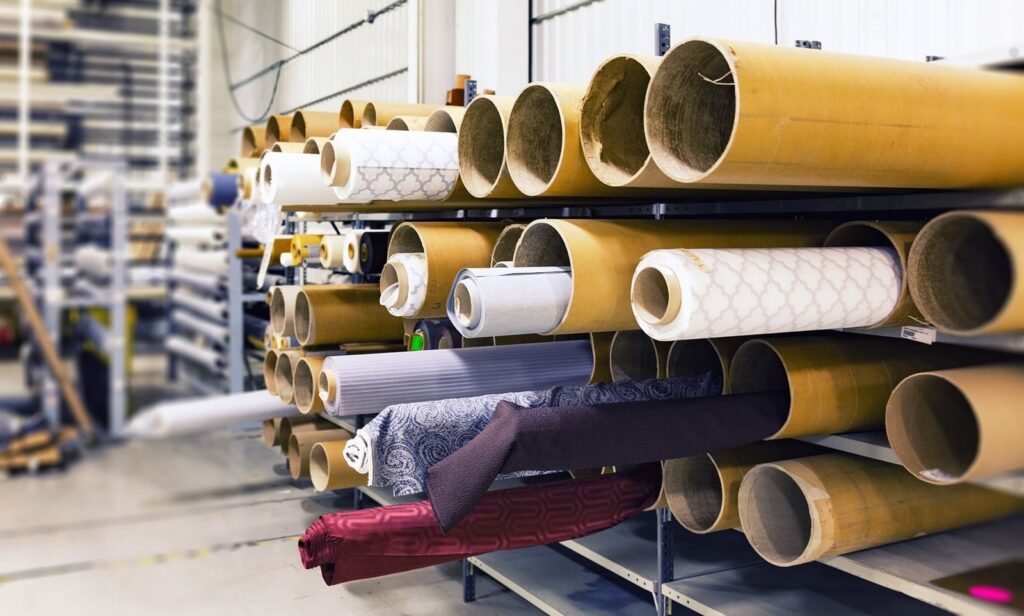
White-label means the base garment is made by the manufacturer, but it is sold under your brand name. The manufacturer handles sourcing, cutting, stitching, and finishing, while you control the branding elements that customers see: woven labels, printed neck labels, hang tags, packaging, and any custom trims or colour choices the style allows.
It is different from fully custom manufacturing, where a garment is designed from a tech pack and pattern. White-label sits between buying ready-made wholesale stock and commissioning a fully original design. For a new brand, that middle ground is often ideal: you get a reliable, tested garment, and you still present a distinct brand to your customers.
Choose the right product range first
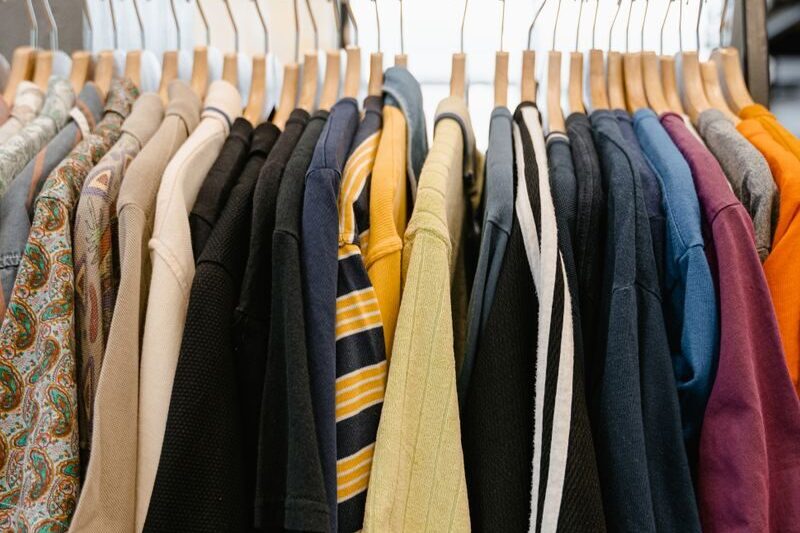
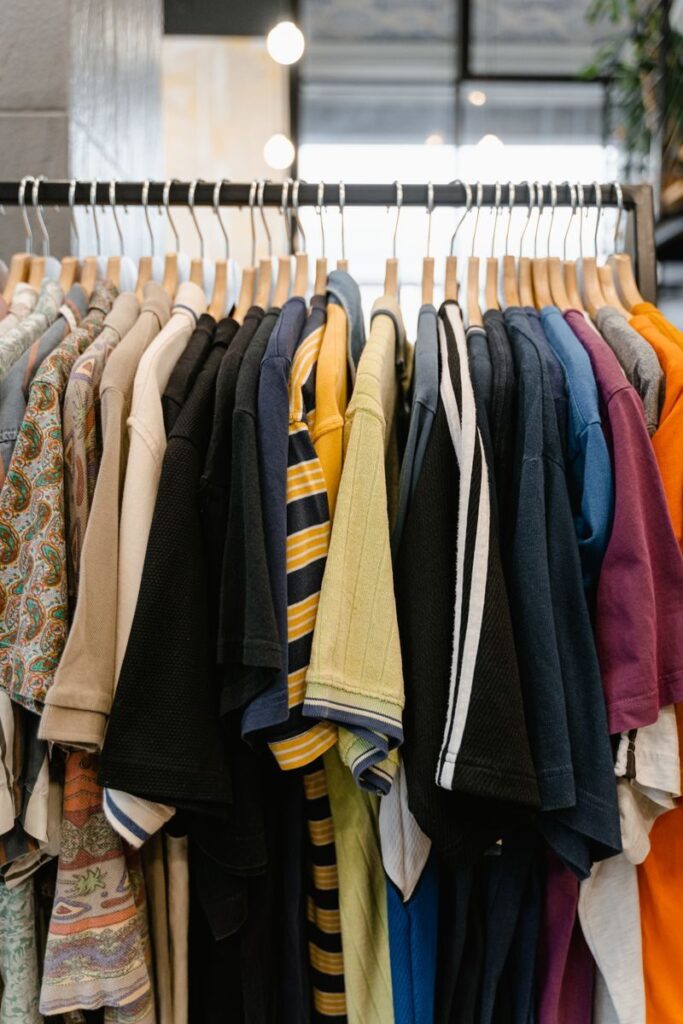
Start narrow. A focused first range is easier to market, easier to stock, and easier to quality-check than a sprawling catalogue. For most emerging brands, proven categories work best: hoodies, tracksuits, polo shirts, jeans, and T-shirts are versatile, widely understood by customers, and available in a range of fabrics and fits.
Think about who will buy each piece and where they will wear it. A heavyweight hoodie suits a streetwear label, while a clean polo suits a club, team, or corporate range. Ask for fabric details, weight, and fit information for every style you consider, and order samples before you decide. A garment that looks good in a photo but fits poorly will cost you far more in returns and reputation than a careful sample round ever will.
Make the branding unmistakably yours
Branding is where a white-label product stops being generic. Agree exactly what will be customised: your label sewn into the neck or hem, your hang tags, your packaging, and any embroidery or print you want on the garment itself. Check label placement and legibility on the sample, and confirm that care labels carry the information your market requires.
- Supply your logo in a clean, high-resolution format and confirm print or embroidery sizes.
- Check label, tag, and packaging samples, not just the garment.
- Keep your branding consistent across every style in the range.
- Ask how branding is checked during production, so a misprint is caught early.
Low minimums, quality checks, and scaling up
Low minimum order quantities are one of the main reasons new brands choose white-label production. They let you test a design with real customers before committing to a large run. Use that first order as a test: check the garments when they arrive, gather customer feedback, and note anything to change before you reorder.
Quality checks should happen before shipping, not after delivery. Ask how the manufacturer inspects stitching, seams, print, and sizing, and what happens if a batch does not meet the approved sample. When a style sells well, scaling up should be straightforward: the same style, fabrics, and branding, produced in larger quantities, with the same quality standard.
As your brand grows, you may move some styles into fully custom production, with your own patterns and details. A manufacturer that offers both white-label and custom manufacturing makes that transition much easier, because your sizing, branding, and quality expectations are already understood.
If you are launching or growing a clothing brand and want to explore white-label apparel, start with a focused range, a clear brand identity, and a manufacturer that will show you samples before you commit. Contact OXSKELETON through the contact page to discuss your product range, branding, and minimum order, and request a quote to get started.