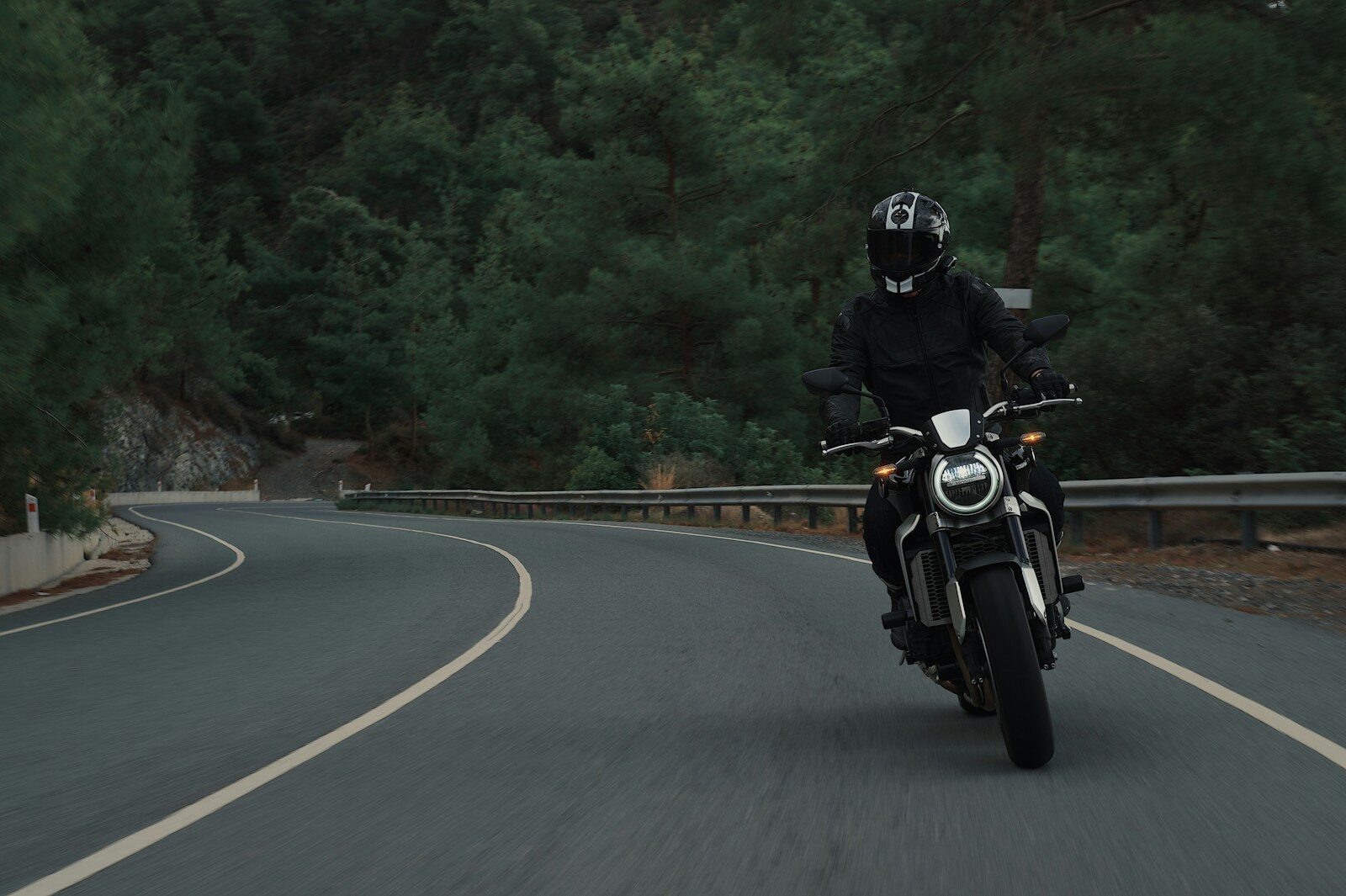
Motorbike protective gear has one job above all others: protecting the rider when things go wrong. Style matters, comfort matters, and price matters, but none of them matter if a jacket tears, a seam bursts, or armour shifts in a fall. Understanding what makes quality gear helps riders choose wisely and helps brands specify products their customers can trust.
Quality is not a single feature. It comes from the combination of materials, construction, armour placement, fit, and finishing, across jackets, pants, gloves, jerseys, and other protective pieces. Here is what to look for in each area.
Materials: leather and technical textiles
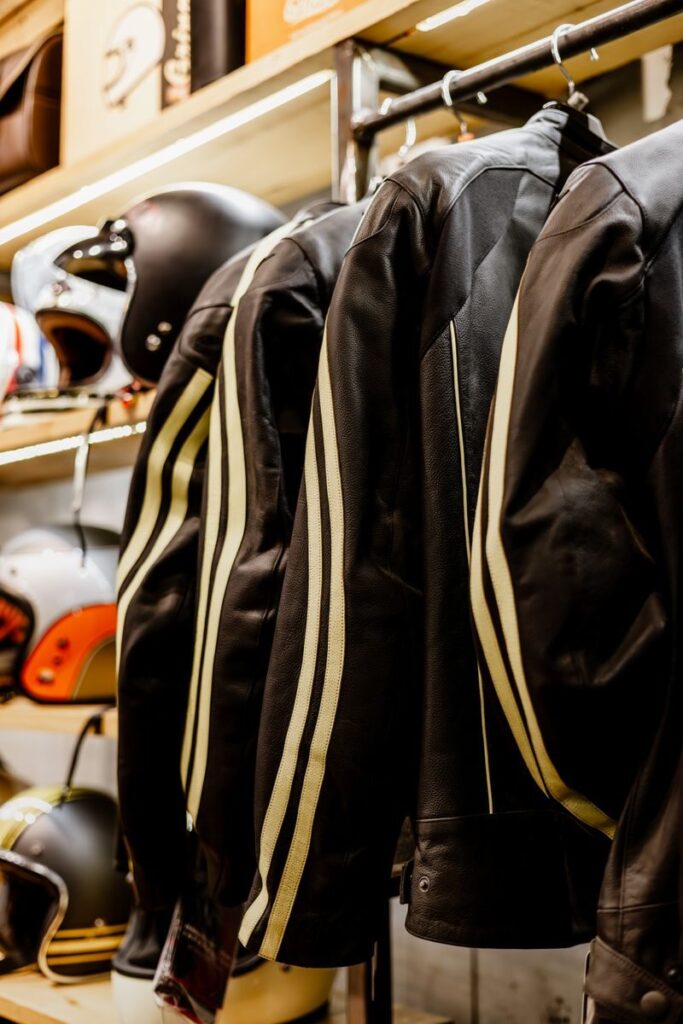
Leather remains a benchmark for abrasion resistance. Full-grain leather, used at a proper thickness, slides rather than tearing in a fall, and it moulds to the rider over time. Cheaper, thinner, or heavily corrected leathers may look similar on a rail but wear through far sooner, so ask about the leather type and thickness rather than judging by appearance alone.
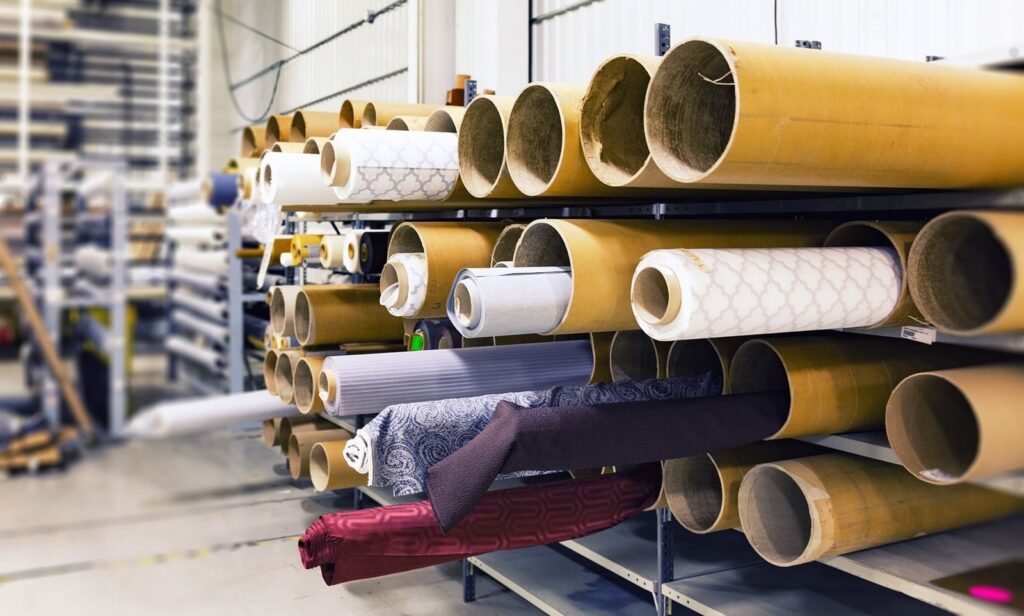
Technical textiles offer a different set of strengths: lighter weight, better ventilation, easier care, and strong abrasion resistance when woven densely from high-tenacity fibres. Many quality garments combine materials, using tougher panels in high-risk zones such as shoulders, elbows, hips, and knees, and more flexible or ventilated panels where movement matters. That zoning is a sign of thoughtful design, not cost-cutting.
Armour and padding: placement matters most
Armour only protects if it stays where it should be. Shoulder, elbow, back, hip, and knee protectors must sit over the joint or area they are meant to cover, in both a standing and a riding position. Armour that rides up when you reach for the bars, or slides sideways in a jacket that is too loose, will not do its job in a fall.
Check that armour pockets are sized to hold the protectors securely, with closures that keep them in place, and that padding is not just decorative foam. Removable armour is a practical advantage: it lets riders wash the garment properly and replace a protector that has taken an impact, rather than continuing to use damaged protection.
Stitching, seams, and construction
Seams are where many garments fail first. Quality protective gear uses strong, even stitching, reinforced seams in high-stress areas, and bar tacking at points that take repeated strain, such as pocket corners and cuff joins. Zips should run smoothly under tension, close fully, and be backed so wind and water do not drive straight through them.
- Look for double or reinforced stitching on shoulders, elbows, knees, and seat areas.
- Check that zips, snaps, and closures work smoothly and feel solid, not flimsy.
- Inspect linings: they should be secure, comfortable, and free of loose threads or rough edges.
- Try the garment in a riding position, not just standing upright.
Fit: snug, but made for riding
Protective gear should fit close enough to hold armour in place, but not so tight that it restricts movement or cuts off circulation. Sleeves should reach the wrist in a riding position, jacket hems should stay in place when leaning forward, and pants should allow a comfortable seated position without pulling at the knee. Adjustable waist, cuff, and hem closures help one garment fit different riders well.
Gloves deserve the same attention. They should allow a secure grip on the bars, protect the knuckles and palms, and stay on in a fall, which means a proper wrist closure matters more than a fashionable short cuff. Jerseys and base layers should wick moisture and sit smoothly under outer gear, without bunching that creates pressure points on a long ride.
Durability and care
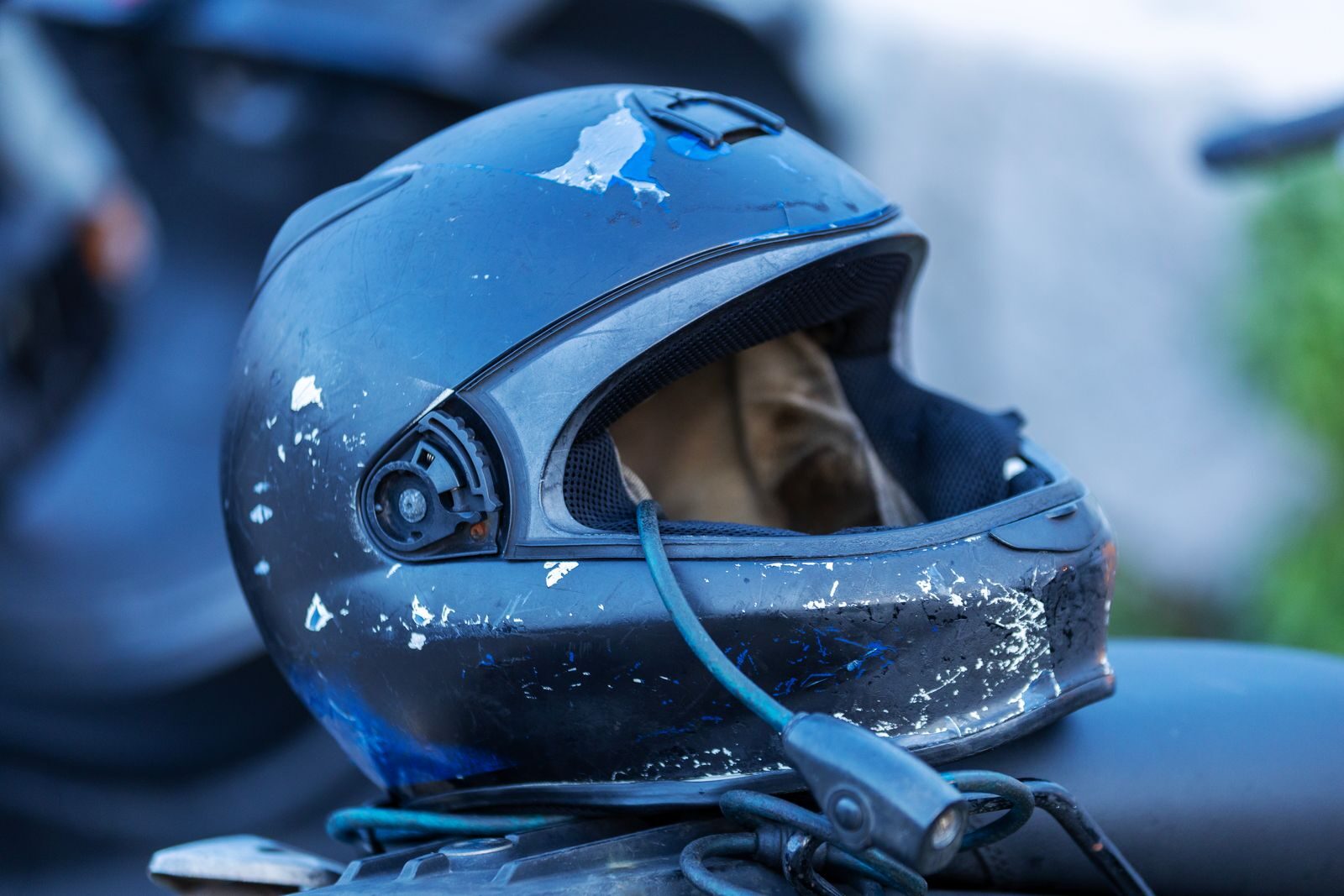
Durability is proven over time, not in a shop. Quality gear keeps its shape, colour, and protective performance after repeated wear and washing, following the care instructions for its materials. Leather needs occasional conditioning, textiles need washing without harsh treatments that break down coatings, and any garment that has been in a serious fall should be inspected carefully, with armour and seams checked before it is used again.
When you buy or specify protective gear, ask for material details, armour placement, and construction information, and always check a sample in person before committing to a range. If you are a brand, team, or retailer looking for motorbike protective gear made to a proper standard, contact OXSKELETON through the contact page to discuss materials, sizing, and samples, and request a quote for your range.